
Most trailer buyers don’t walk onto your lot cold. They’ve already spent time online — scrolling Facebook Marketplace, checking Instagram, looking at what’s available before they make the drive. If your dealership isn’t showing up in that research phase, you’re losing buyers to dealers who are.
The good news: you don’t need a big budget or a marketing team to do this well. You need a phone, a consistent process, and an understanding of what actually works on each platform.
Facebook: Where Trailer Buyers Actually Are
Facebook remains the dominant social platform for the trailer-buying demographic — contractors, ranchers, farmers, and owner-operators skew heavily toward Facebook over every other platform. Facebook Marketplace in particular has become a primary research tool for buyers comparing inventory across multiple dealers before committing to a visit.
Facebook Marketplace Listings
Every trailer on your lot should have an active Facebook Marketplace listing. This is non-negotiable — Marketplace listings show up in local search results and surface to buyers in your geographic area who are actively looking. A dealer with 40 trailers and zero Marketplace listings is invisible to a significant portion of local buyers.
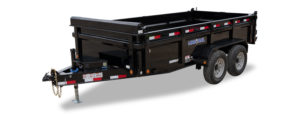
For each listing: use your best photo as the lead image, write a title that includes the trailer type, size, and GVWR (e.g. “2024 Load Trail 16′ 14K Dump Trailer — Tandem Axle”), and fill out the description with the key specs a buyer needs to evaluate the unit — GVWR, axle configuration, hoist type, deck dimensions, and any notable options. Include your dealership name and phone number in the description. Marketplace buries contact info; make it easy to find.
Respond to Marketplace inquiries within the hour during business hours. Buyers messaging multiple dealers will go with the first one who responds. Speed wins more Marketplace leads than any other factor.
Facebook Page Posts
Your dealership’s Facebook page should post new inventory as it arrives, not in batches at the end of the week. A single trailer posted the day it hits the lot gets more organic reach than five trailers posted at once on a Friday afternoon.
The posts that perform best for trailer dealers on Facebook are video walkarounds. Thirty to sixty seconds, shot handheld, narrated in plain language: walk around the trailer, open the ramps, show the hoist in action, read the key specs out loud. No editing required. Authentic beats polished every time for this audience.
Static photo posts work well for hero units — your flagship models, freshly detailed trailers, or anything with a strong visual presence. Use natural light, shoot at a 3/4 angle from the front corner, and keep the background clean.
Avoid overloading posts with specs in the caption. Lead with one or two selling points, include price if you’re comfortable posting it (price-visible listings consistently outperform price-on-request), and end with a clear call to action: call, DM, or stop by.
Facebook Groups
Local buy/sell/trade groups and industry-specific groups (contractors, ranchers, farmers, hotshot operators) are an underused channel for trailer dealers. Joining relevant groups in your market and posting available inventory — where group rules permit — puts your trailers in front of buyers who are actively engaged in your target industries. Check group rules before posting; many have specific days or formats for dealer listings.
Instagram: Visual First, Details Second
Instagram serves a different function than Facebook for trailer dealers. It’s less of a transaction platform and more of a brand-building channel — buyers who follow your Instagram page are warming up to your dealership over time, not necessarily ready to buy today. That context changes how you should use it.
What to Post on Instagram
Instagram rewards visually strong content. The trailer posts that perform best are clean, well-lit photos of units that look good — freshly washed, staged on a clean surface, shot in morning or late afternoon light. If your lot has a gravel pad or a clean concrete area, that’s your shooting location. Backgrounds matter on Instagram in a way they don’t on Facebook Marketplace.
Reels — short vertical videos — are Instagram’s highest-reach format right now. The same 30–60 second walkaround video you shoot for Facebook works on Instagram as a Reel with minimal adaptation. Shoot vertical if you can, but a horizontal video posted as a Reel still performs better than a static post.
Behind-the-scenes content works well on Instagram: delivery day photos, a trailer being loaded onto a customer’s truck, a shot from inside the service bay. This kind of content builds authenticity and gives followers a reason to keep watching your page between inventory posts.
Instagram Caption Strategy
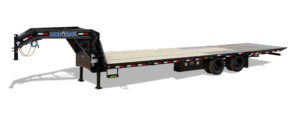
Instagram captions have more room than most dealers use. A strong trailer post caption leads with the hook (what makes this unit worth stopping for), covers the key specs in plain language, includes a call to action, and ends with relevant hashtags. Hashtags on Instagram still drive discoverability for local and industry audiences — use a mix of location tags (#ParisTexas #NortheastTexas), industry tags (#DumpTrailer #GooseneckTrailer #LoadTrail), and buyer-interest tags (#Contractor #Landscaper #HotshotTrucking).
The Process That Makes It Sustainable
The biggest reason dealer social media fails isn’t lack of content — it’s lack of consistency. A dealership that posts twice a day for two weeks and then goes dark for a month does more damage to its social presence than a dealership that posts three times a week without interruption.
Build a simple process: when a trailer comes in, photograph it the same day using the steps below. Post to Marketplace immediately. Schedule a page post for the next morning. Film a walkaround video within the first week. That’s the whole system. It takes less than 20 minutes per unit and it compounds over time as your page builds followers and Marketplace listings build history.
Assign one person to own social posting. Not everyone with access to the page — one person. Accountability to a single owner is the difference between a consistent presence and a page that goes quiet every time things get busy.
What Not to Do
Don’t post the same content simultaneously to Facebook and Instagram without adapting it. Facebook buyers want specs and price. Instagram followers want visuals and authenticity. The same caption with the same hashtag dump posted to both platforms at once reads as automated and performs worse on both.
Don’t ignore comments and DMs. Social engagement is a two-way signal — platforms reward accounts that respond, and buyers who don’t hear back go elsewhere. Even a simple “Thanks — call us at [number] to set up a time to come see it” is better than silence.
Don’t post blurry, dark, or cluttered photos. One strong photo outperforms five mediocre ones every time. If the light is bad, wait. If the lot is cluttered behind the trailer, move it. The quality of your photos is the first signal buyers use to judge the quality of your inventory.
